Klarna's Bold Vision: AI for Routine Tasks, Human Connection for VIP Customer Service
Klarna's Revolutionary Customer Service Strategy
Klarna CEO Sebastian Siemiatkowski is reshaping customer service with a bold vision that combines AI efficiency with human connection. In a recent podcast interview, he outlined how the buy now, pay later company is implementing what he calls an "Uber-style" customer service model.
The AI-Human Balance
"If AI can do customer service, it means it's going to be the cheap customer service," Siemiatkowski explained. "We said the future of VIP experience will be the human connection, the relationship."
Klarna's approach involves using AI assistants to handle routine questions like payment status inquiries, while reserving human interaction for more complex or emotionally significant customer needs. This strategy emerged after the company's 2024 announcement that its AI agent could do the work of 700 full-time agents sparked public concern about job losses.
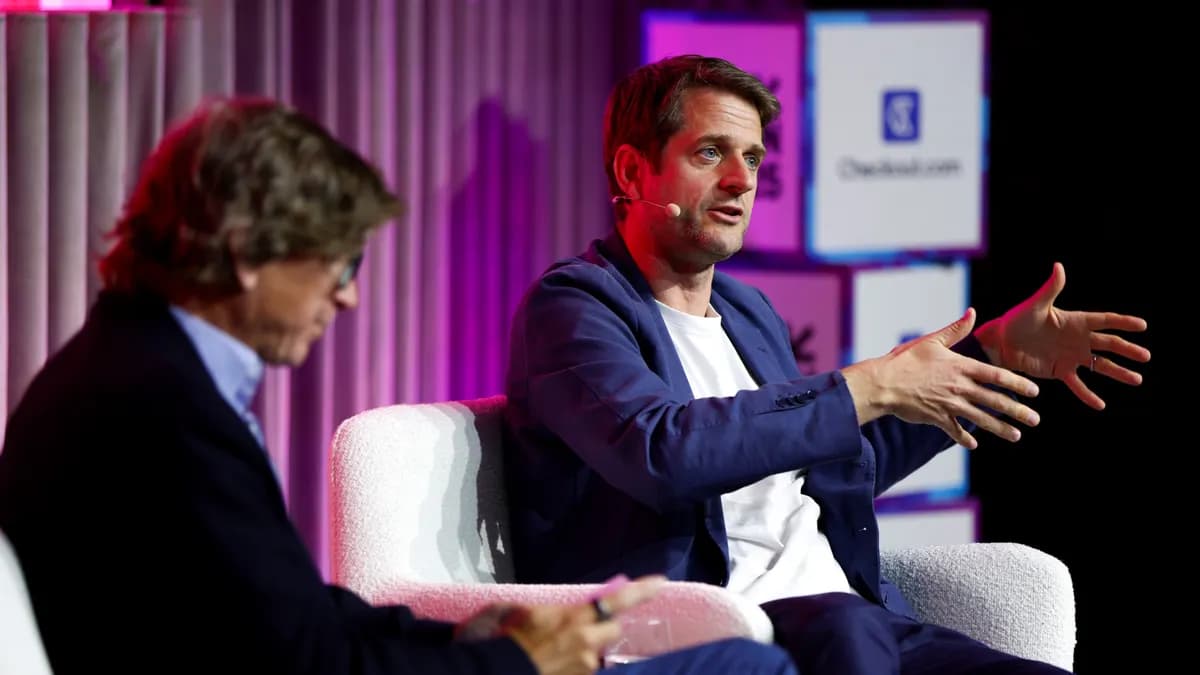
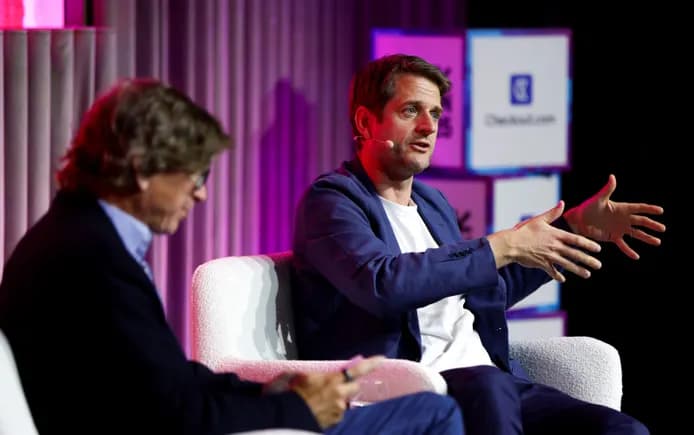
Klarna Group CEO Sebastian Siemiatkowski speaks during "The Payment Revolution: How Europe is Leading the Charge" panel discussion at SXSW London 2025.
Recruiting from the Customer Base
One of Klarna's most innovative moves is recruiting customer service agents directly from its customer base. "Just like somebody can go and drive an Uber for a while, they can actually jump on and work for Klarna's customer service," Siemiatkowski said. "These are our most passionate customers. They love our product, they love how it works. They know Klarna in and out. And now they earn extra money by actually working on our customer service."
This approach has yielded impressive results, with Siemiatkowski reporting that customer satisfaction with Klarna-hired agents are "through the roof."
Strategic Shift in Messaging
In 2025, Klarna made a significant pivot in its approach to customer service. After initially focusing heavily on cost reduction through AI, the company began reinvesting in human talent and shifted its messaging to emphasize the value of human connection.
Siemiatkowski compared this shift to the furniture industry: "As factories started producing cheap furniture, more people came to appreciate artisan furniture. Customers will view human connection in support similarly."
Long-Term Vision and Impact
The company's AI strategy has already enabled significant organizational changes. Klarna has reduced its headcount by more than 50%, from 7,000 to 3,000 employees, through AI implementation. Siemiatkowski expects this number to shrink to under 2,000 by 2030.
Importantly, Siemiatkowski clarified that previous AI implementations didn't result in layoffs of Klarna employees, but rather reduced reliance on outsourced customer service agents who simply shifted to work for other companies.
The Future of Customer Service
Klarna's model represents a potential blueprint for the future of customer service across industries. By combining AI efficiency for routine tasks with human expertise for complex interactions, companies can potentially offer both cost-effective service and premium human connection when customers need it most.
Siemiatkowski's vision challenges traditional customer service models and suggests that in an increasingly automated world, human interaction may become a premium service rather than a standard offering.
- #klarna
- #customerservice
- #ai
- #innovation
- #futureofwork
Comments · 0