Google It at Your Own Risk: Fake Airline Customer Service Numbers Are Draining Bank Accounts
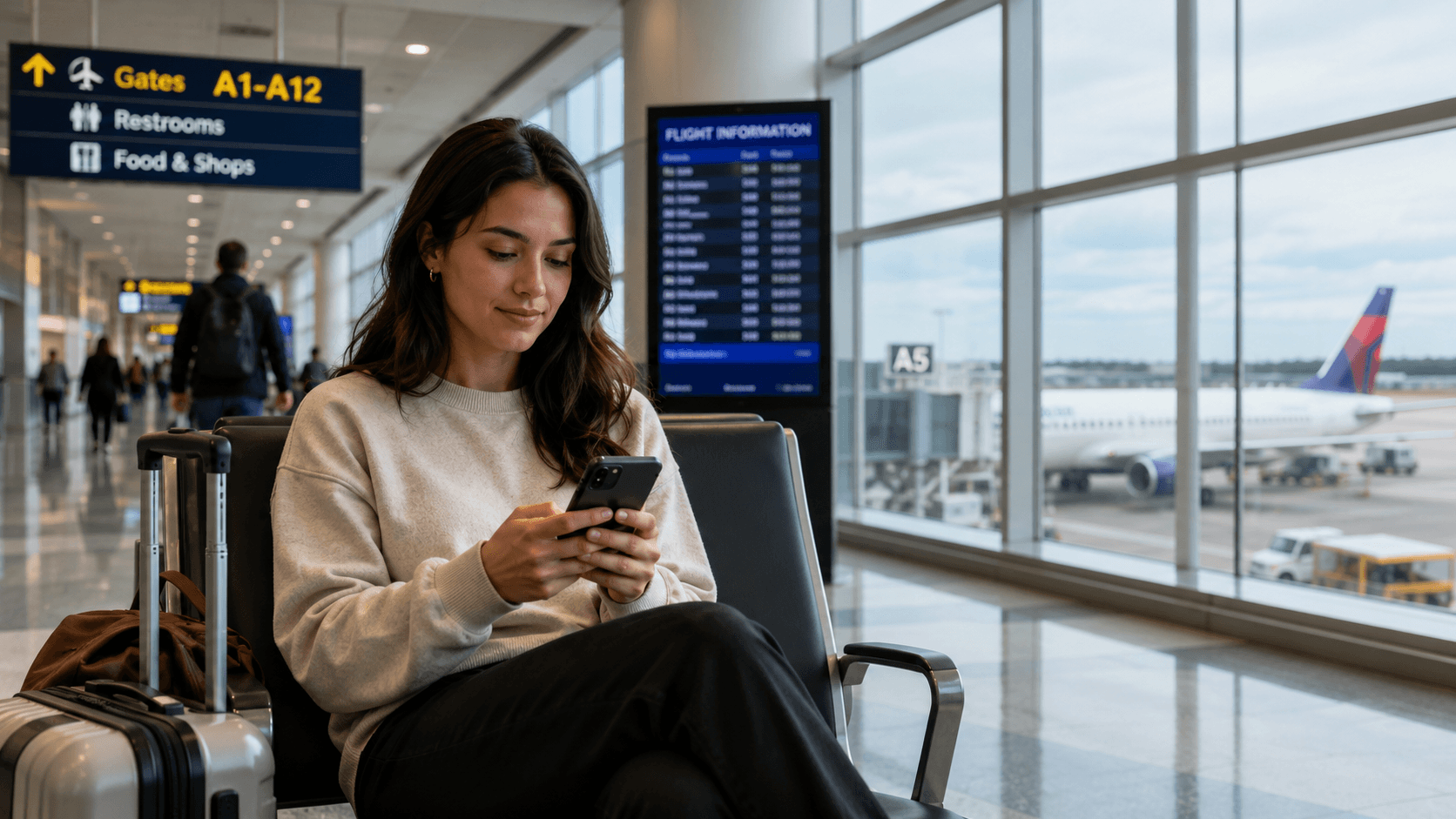
As flight delays, cancellations, and schedule changes continue to disrupt travel plans, some airline passengers are encountering a new threat: scammers posing as airline customer service representatives through fake phone numbers that appear in online search results.
Consumer protection experts say the scheme often begins when a traveler searches online for an airline's customer service number after receiving a notification that a flight has been delayed or canceled. Fraudsters use deceptive websites, online advertisements, and manipulated search listings to place fake contact information where frustrated passengers are likely to find it.
The scam preys on travelers who are under pressure to quickly confirm a flight's status, rebook a canceled itinerary, or secure a refund. Believing they are speaking with an airline representative, victims may provide booking confirmation numbers, credit card details, passport information, or other personal data.
According to consumer complaints and reports from cybersecurity researchers, scammers often answer calls professionally, using airline names and industry terminology to establish credibility. Some falsely claim that a ticket must be reissued immediately or that additional fees are required to secure a seat on a replacement flight.
Red Flags
Victims may be asked to make payments through gift cards, peer-to-peer payment services, wire transfers, or other methods that are difficult to reverse — a huge red flag. In some cases, callers are instructed to download remote-access software, giving scammers access to personal computers and sensitive information.
The problem is not limited to a single carrier. Fraudulent numbers have been reported in connection with major domestic and international airlines, particularly during periods of widespread travel disruptions when demand for customer support surges.
Search engines have taken steps to remove deceptive listings and advertisements, but cybersecurity experts say scammers frequently create new websites and phone numbers, making enforcement difficult.
Airlines typically advise passengers to use official channels for flight information and customer support, including the airline's mobile app, official website, boarding pass, or confirmation email. Many carriers also provide real-time flight status updates through their apps, reducing the need to search online for assistance.
Always Use the Airline’s App
Recently, an Iowa family vacationing in Mexico fell victim when the airline’s app didn’t work properly. A family member Googled the airline’s customer service number but ended up talking to a scammer, who demanded $7,000 to rectify an issue.
Consumer advocates recommend that travelers be wary of any representative who requests unusual payment methods, pressures them into making immediate decisions, or asks for sensitive information that is not necessary to verify a reservation.
As summer travel ramps up, experts say vigilance remains the best defense. A simple search for a customer service number can seem harmless, but in the wrong hands, it can become the starting point for identity theft, financial fraud, and a ruined trip.
Travelers who believe they have been targeted by such a scam should immediately contact their financial institutions, notify the airline involved, and report the incident to federal and state consumer protection authorities.
- #airlinescam
- #customerservice
- #travelfraud
- #fakenumbers
- #consumerprotection
Comments · 0