Navigating Service Quality: The Surprising Effects of Variability on Customer Experience
Introduction
Delivering consistent quality service is a central pursuit across tourism and hospitality industries, yet inherent variability of service challenges this goal. When service fluctuates across touchpoints in a customer’s experience journey, does this variability excite customers with novel peaks or erode loyalty through unstable valleys? Two dominant models have emerged for managing customer experience journeys - the smooth model and the sticky model.
The Smooth vs. Sticky Models
The smooth model prioritizes consistency and predictability in customer experiences, positing that consistent experiences can build customer loyalty over time. Conversely, the sticky model focuses on offering customers unpredictable and effortful journeys to keep them engaged. An example is the Ritz-Carlton, which has embraced variability to create unique guest experiences by moving away from rigid service rules.
Challenges of Variability
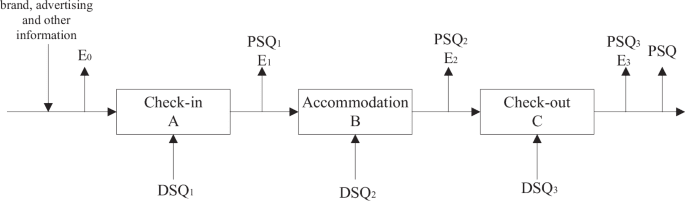
In a multi-agent and multi-phase service environment, delivering consistent service in every phase of the customer journey is particularly challenging. Variability is often defined as the fluctuating quality levels among multiple service encounters and can be measured by the dispersion or deviation from the mean service quality level. While high variability can enhance customer engagement, it may also lead to negative perceptions when service quality dips.
Customer Experience Journey
Understanding the customer experience journey involves recognizing the various phases, such as pre-purchase, purchase, and post-purchase. Each phase has unique touchpoints and customer expectations, influencing overall perceptions of service quality. The interplay between average service quality and variability significantly affects customer satisfaction and loyalty.
Study Findings
The findings reveal that high variability can have both positive and negative effects on perceived quality, depending on the underlying average performance. Specifically:
- Positive variability may temporarily raise expectations but can lead to disappointment if followed by negative experiences.
- Negative variability tends to have a more significant impact, particularly when it occurs after elevated expectations.
- Inexperienced customers are more sensitive to variability than experienced customers, who may have a better understanding of what to expect.
Practical Implications
For tourism and hospitality service providers, the implications are clear:
- Consistency in service delivery is essential to meet customer expectations, especially in high-quality service contexts.
- Positive variability should be managed carefully to enhance customer experiences without overwhelming them.
- Service providers should communicate clearly and provide consistent service from the start to foster positive perceptions and build trust with customers.
Conclusion
This study provides insights into how service variability interacts with mean quality across the key phases of a service cycle, influencing overall perceived quality. Understanding these dynamics is vital for effectively managing customer experiences and enhancing satisfaction in the hospitality industry.
- #servicevariability
- #customerexperience
- #hospitality
- #customerloyalty
- #servicedesign
Comments · 0